
US Air Force Col William Jones: Medal of Honor Recipient Vietnam War
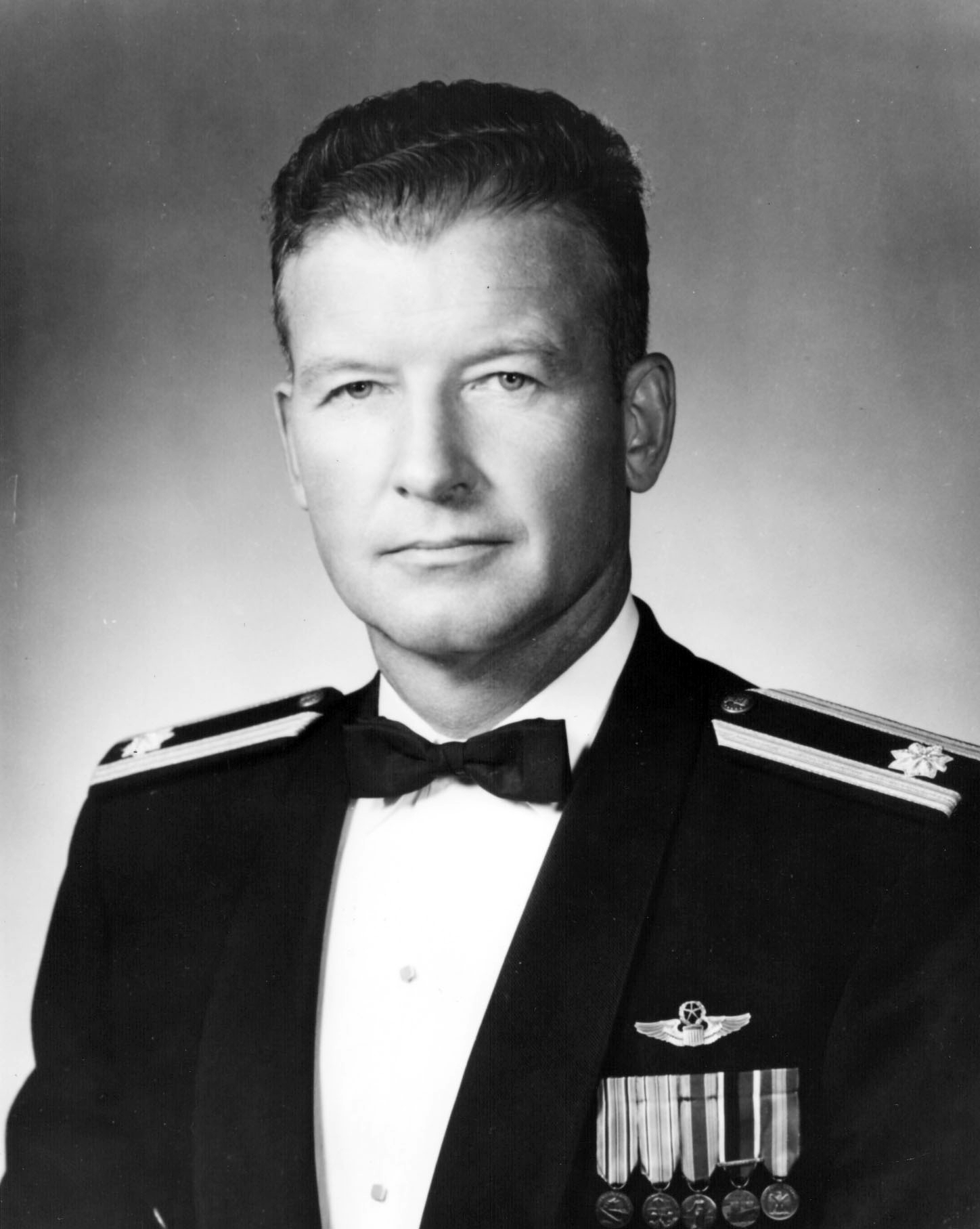
William Atkinson Jones III was born on May 31, 1922, in Norfolk, Virginia. After high school, he attended the University of Virginia and graduated at just 19 years old. He then entered the U.S. Military Academy at West Point, graduating in 1945. Following flight school, he was commissioned into the Army Air Forces and later transitioned into the U.S. Air Force when it was established in 1947.
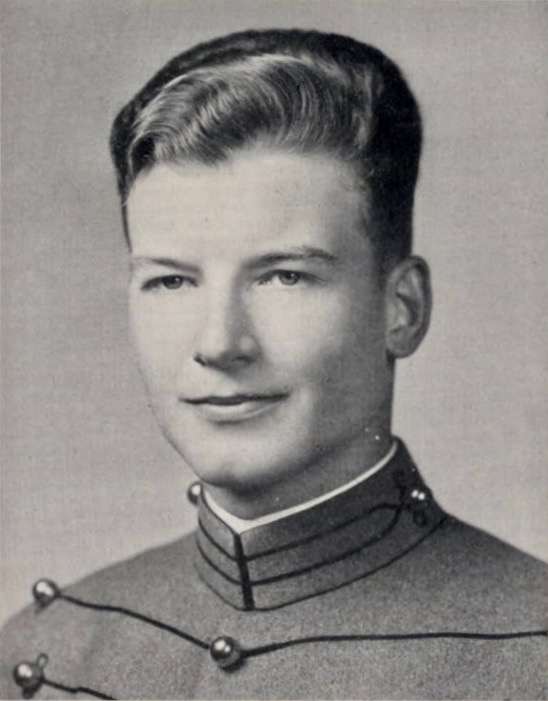
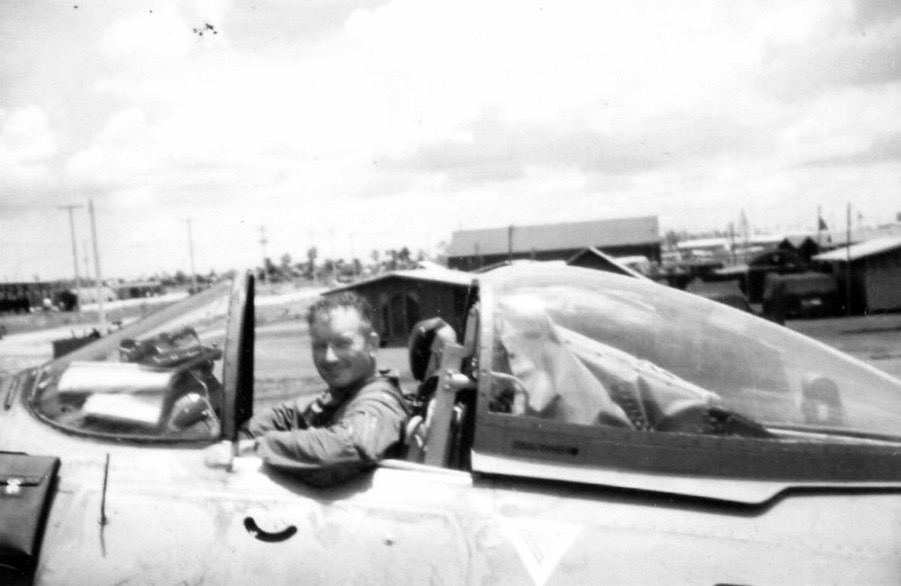
By September 1, 1968, Jones, now a lieutenant colonel, was flying the A-1H Skyraider with the 602nd Special Operations Squadron at Nakhon Phanom Royal Thai Air Force Base.
That day, Lieutenant Colonel Jones led a flight of four Skyraiders in an attempt to rescue a downed American pilot in North Vietnam.
Heavy and accurate anti-aircraft fire repeatedly struck his aircraft as he made low passes searching for the survivor. During one pass, an explosion rocked the plane, and the cockpit rapidly filled with smoke. Unsure whether the aircraft was on fire, Jones continued the search.
He soon spotted both the downed pilot and a multi-barrel gun position firing from near the top of a rock formation. Unable to attack without endangering the survivor, Jones made another pass, fully exposed to enemy fire. On two successive runs, he attacked the gun position with cannon and rockets.
On the second pass, his aircraft was hit again. A round struck the extraction system behind his headrest, the fuselage burst into flames, and fire engulfed the cockpit.
Jones made the decision to eject. As he jettisoned the canopy, the fire intensified and the extraction system failed.
Severely burned on his arms, hands, neck, shoulders, and face, he pulled the aircraft into a climb and attempted to radio the survivor’s location and the enemy gun position. His transmission was cut off by other pilots urging him to bail out.
Despite catastrophic damage, intense pain, and a crippled aircraft, Jones chose to fly back to base to personally deliver the critical information.
He successfully landed his heavily damaged Skyraider and relayed the details to a debriefing officer while lying on the operating table.
Because of his actions, the downed pilot was rescued later that day.
Jones recovered from his injuries and was later promoted to colonel. Tragically, he died in an aircraft accident the following year.
In 1970, Colonel William Jones III was posthumously awarded the Medal of Honor for his extraordinary heroism.
You can watch a short video about his story here: https://youtube.com/shorts/sNrh-UV47r4
Medal of Honor Citation:
For conspicuous gallantry and intrepidity in action at the risk of his life above and beyond the call of duty. Col. William Jones distinguished himself as the pilot of an A-1H Skyraider aircraft near Dong Hoi, North Vietnam. On that day, as the on-scene commander in the attempted rescue of a downed U.S. pilot, Col. William Jones' aircraft was repeatedly hit by heavy and accurate antiaircraft fire. On one of his low passes, Col. William Jones felt an explosion beneath his aircraft and his cockpit rapidly filled with smoke. With complete disregard of the possibility that his aircraft might still be burning, he unhesitatingly continued his search for the downed pilot. On this pass, he sighted the survivor and a multiple-barrel gun position firing at him from near the top of a karst formation. He could not attack the gun position on that pass for fear he would endanger the downed pilot. Leaving himself exposed to the gun position, Col. William Jones attacked the position with cannon and rocket fire on 2 successive passes. On his second pass, the aircraft was hit with multiple rounds of automatic weapons fire. One round impacted the Yankee Extraction System rocket mounted directly behind the headrest, igniting the rocket. His aircraft was observed to burst into flames in the center fuselage section, with flames engulfing the cockpit area. He pulled the extraction handle, jettisoning the canopy. The influx of fresh air made the fire burn with greater intensity for a few moments, but since the rocket motor had already burned, the extraction system did not pull Col.William Jones from the aircraft. Despite searing pains from severe burns sustained on his arms, hands, neck, shoulders, and face, Col. William Jones pulled his aircraft into a climb and attempted to transmit the location of the downed pilot and the enemy gun position to the other aircraft in the area. His calls were blocked by other aircraft transmissions repeatedly directing him to bail out and within seconds his transmitters were disabled and he could receive only on 1 channel. Completely disregarding his injuries, he elected to fly his crippled aircraft back to his base and pass on essential information for the rescue rather than bail out. Col. William Jones successfully landed his heavily damaged aircraft and passed the information to a debriefing officer while on the operating table. As a result of his heroic actions and complete disregard for his personal safety, the downed pilot was rescued later in the day. Col. William Jones' profound concern for his fellow man at the risk of his life, above and beyond the call of duty, are in keeping with the highest traditions of the U.S. Air Force and reflect great credit upon himself and the Armed Forces of his country.

USMC Cpl John Pruitt: Double Medal of Honor Recipient WWI
